

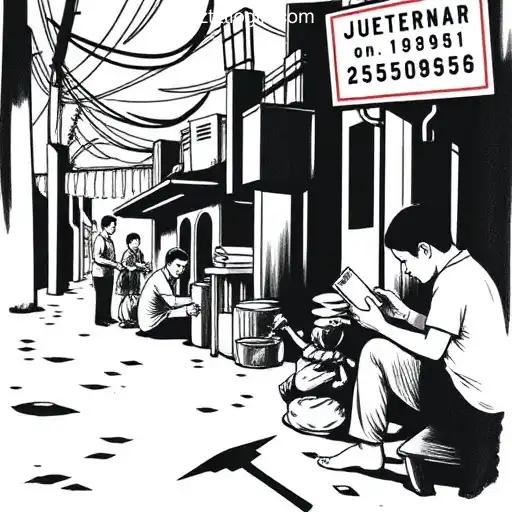

Jueteng is an illegal numbers game that has deep roots in the Philippines. Despite its illicit status, it remains one of the most prolific underground gambling operations in the country. The game is believed to have been introduced by Chinese immigrants and has since evolved into a multi-billion peso industry. Its continued prevalence raises numerous questions about socio-economic conditions, governance, and the resilience of illegal operations in the face of modern regulatory efforts.
The game is straightforward: a bettor selects a combination of numbers, typically ranging from 1 to 37. Bets can be as low as a few pesos, making it accessible to a wide range of socioeconomic classes, particularly in rural and poor urban areas. The appeal of Jueteng partially lies in its promise of high returns relative to the bettors' stake and its informal network, which allows participation even in remote areas where formal channels of entertainment are scarce.
The pervasiveness of Jueteng in Philippine society cannot be overstated. It is a social phenomenon embedded in community dynamics. Often, the activities surrounding Jueteng offer employment to barangay (village) collectors and coordinators who facilitate the game, thereby providing livelihood to those who might otherwise be unemployed. However, its illegal nature means that earnings are unregulated and untaxed, detracting from possible government revenues that could support infrastructure and social programs.
Perhaps one of the most pressing concerns regarding Jueteng is its ties to political corruption. Historically, the game has been a source of under-the-table income for corrupt officials who turn a blind eye or offer protection to operators in exchange for a cut of the profits. This symbiotic relationship impedes efforts to clamp down on the game, as certain levels of governance and enforcement may be compromised.
Efforts to regulate or eradicate Jueteng have been longstanding, yet largely unsuccessful. The efforts are hampered by high levels of local demand, societal acceptance, and the covert means through which the game is operated. Nonetheless, there have been calls to legalize and regulate it to transform the illegal practice into a revenue-generating entity for the government.
Given the dynamics of digital advancements, there is a growing intersection between traditional gambling practices like Jueteng and modern digital platforms. This evolution is reflected in the emergence of online casinos that offer rapid transactions and similarly appealing gaming options, such as ZTZT Cassino online com saque rápido no Brasil💸, the allure of which lies in quick payout structures and online accessibility.
The proliferation of digital connectivity has not only led to a rise in legal online gambling platforms but also a shift in how traditional games like Jueteng are played and perceived. In many regions, online gambling is seen as a viable alternative, captivating new demographics by marrying the traditional thrill of high-stakes betting with the convenience of Internet transactions.
Regulations around online gambling vary significantly by region, and as such, platforms like ZTZT Cassino online com saque rápido no Brasil💸 capitalize on loopholes or comprehensive structuring within legal frameworks that allow for greater betting freedom, choice, and prompt payouts.
The future of Jueteng and similar traditional gambling activities is closely tied to broader societal changes and regulatory reforms. There exists a potential pathway for transforming what was historically a societal vice into a community and economic asset, pending regulatory foresight and inclusivity of the stakeholders involved.
Ongoing discourse suggests that the digital shift, as exemplified by rapid payout online casinos, might present a blueprint for the reform of traditional gambling landscapes. Adaptations that include regulatory engagement, tax impositions, and national strategies aimed at reducing corruption are vital for turning a long-term societal challenge into an opportunity for structured growth.
In conclusion, Jueteng sits at a pivotal crossroad of cultural tradition, economic necessity, and modern regulatory challenge. While the game remains illegal, its implications traverse beyond mere amusement, highlighting critical issues within governance, economic disparity, and evolving market dynamics, fueled by globalized digital innovations.

Dive into the exhilarating world of 'NewYear,' a captivating online casino game offered by ZTZT Cassino in Brazil. Experience the dynamics and rules that make this game a fan favorite among enthusiasts seeking rapid withdrawals and entertainment.

Discover the exciting world of ChickyParmParm, a unique gameplay experience that combines strategic thinking with engaging mechanics. Learn about the game's features, rules, and its connection to current trends such as the ZTZT Cassino online com saque rápido no Brasil.

Dive into the immersive world of 'TheBookofCarl' and learn about its unique features, gameplay mechanics, and the intriguing blend of fantasy and reality.

Explore the dynamic world of CloverCoins4x4, a thrilling online casino game gaining popularity in Brazil for its engaging gameplay and fast withdrawals.

Dive into the dynamic world of StrikerWILD, a cutting-edge mobile game, and discover how ZTZT Cassino is revolutionizing online gaming in Brazil with its fast withdrawal options.

Discover the immersive world of MedusaMoney, an exciting online game offering rapid withdrawals at ZTZT Cassino in Brazil.
